Country

Trips to Tanzania

From the crater floor at dawn to the Serengeti at golden hour

Few places on Earth ask you to slow down the way Tanzania does.

Your Tanzania, designed around you
Tailor-made

Your Tanzania, designed around you

Tell us how you like to travel — your pace, your must-sees, your budget — and we'll build a Tanzania trip that fits. From a first-time safari to a Kilimanjaro climb followed by a week on Zanzibar's coast, we put it together for you.

Request a tailor-made proposal
A million wildebeest and no good words for it
Tanzania

A million wildebeest and no good words for it

Standing at the Mara River between July and September, you hear the Migration before you see it — hooves, dust, the sharp bark of crocodiles. Over 1.5 million wildebeest cross in waves that last seconds or hours. No photograph gets it right. You have to be there.

The crater that holds its own world

The crater that holds its own world

Ngorongoro's caldera drops 600 metres from the rim to a floor the size of a small city. Lions, elephants, rhinos and flamingos share it in a density of wildlife you won't find anywhere else. Drive down at first light, when the mist is still sitting on the walls.

Stone Town at dusk smells of cloves and the sea

Stone Town at dusk smells of cloves and the sea

Zanzibar's Stone Town is a UNESCO-listed former Swahili trade hub where Arab archways open onto Persian courtyards and the muezzin call echoes across rooftops. The best hour is late afternoon, when the light turns the coral-stone facades the colour of old amber.

How we work this destination

  1. 01

    Built for your trip

    Tanzania is too big and too varied for a one-size itinerary. We design every trip around how you travel — pace, budget, interests — whether that's a classic northern circuit, a southern wilderness or a combination with Zanzibar.

  2. 02

    Beyond the northern parks

    The Serengeti and Ngorongoro are exceptional, but Tanzania has seven UNESCO World Heritage Sites and vast southern parks few visitors reach. We help you decide which areas genuinely reward the time you have.

  3. 03

    Group, private or fly-in

    We offer group departures, fully private trips and fly-in safari options — because getting between Tanzania's parks by light aircraft changes the experience entirely and is often the smarter choice.

We plan your trip to Tanzania

We help you choose how, when and for how long.

Request my proposal
Guide

What to see in Tanzania

Tanzania is roughly the size of Western Europe, and its landscapes range from equatorial forest to high-altitude moorland to coral-white coast. These are the areas worth understanding before you decide where to spend your days.

Serengeti National Park
01

Serengeti National Park

Tanzania's flagship park is best understood as a system, not a single place. The southern Serengeti and Ndutu area holds the calving season in January and February, with extraordinary predator activity. The central corridor has year-round resident game. The northern Serengeti, bordering Kenya's Masai Mara, is where the river crossings happen from mid-July to September.

Fly into the park (Seronera airstrip or several northern strips) to avoid spending half a day on the road. Staying in the north and south in the same trip lets you follow the Migration's logic rather than just crossing your fingers in one spot.
Ngorongoro Conservation Area
02

Ngorongoro Conservation Area

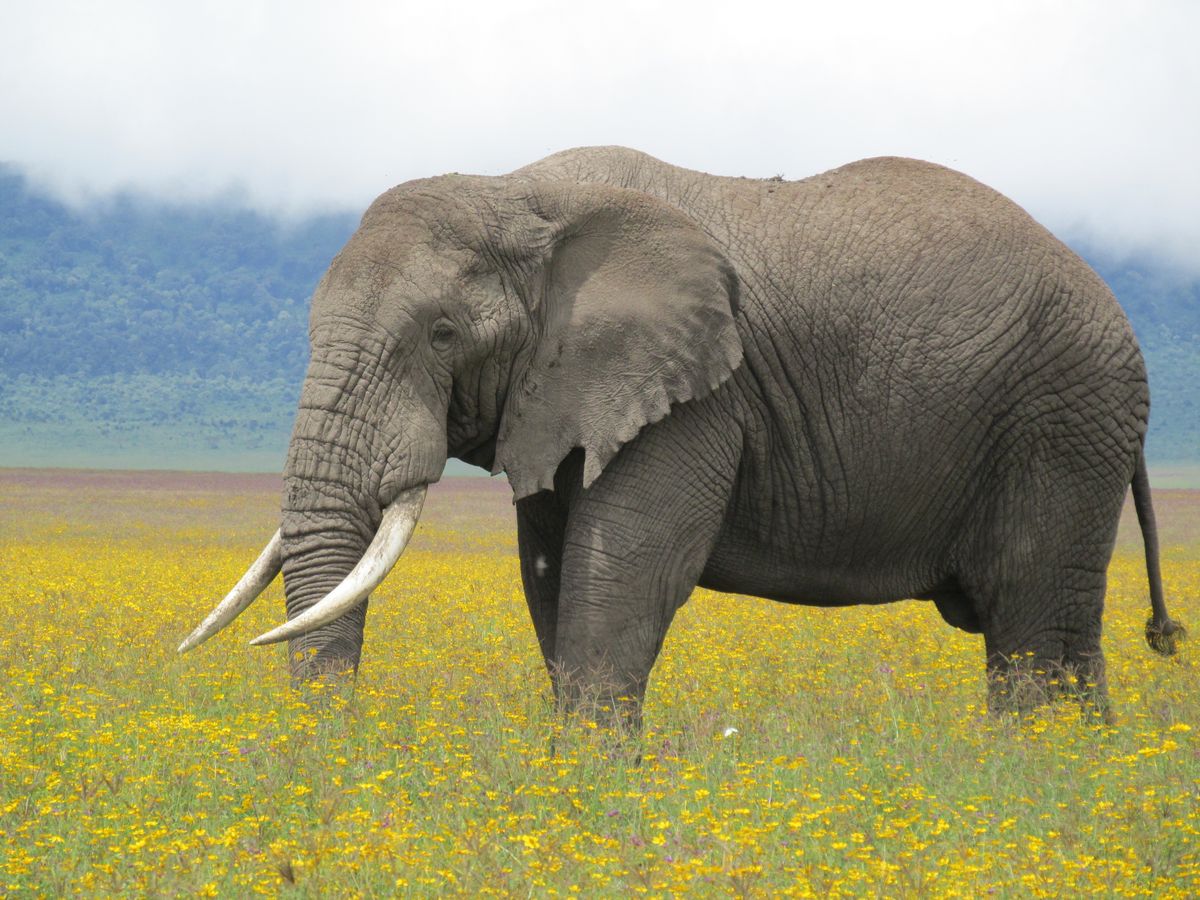
The Ngorongoro Crater is the world's largest intact volcanic caldera — roughly 260 km² of enclosed ecosystem where Big Five sightings are almost routine. What surprises most visitors is the flamingo-pink rim of the soda lake at the crater's centre and the sheer vertical walls above.

Ngorongoro is almost always paired with the Serengeti. Allow a full day on the crater floor; a half-day feels rushed. Accommodation on the rim offers remarkable views but is at altitude — bring a warm layer.

Mount Kilimanjaro
03

Mount Kilimanjaro

At 5,895 metres, Kilimanjaro is Africa's highest peak and one of the world's most accessible high-altitude climbs — no technical mountaineering required, but the altitude is serious and acclimatisation is the key variable that most climbers underestimate.

The Lemosho and Machame routes are widely favoured for their scenery and acclimatisation profiles. January–February and June–October offer the most reliable conditions. A summit attempt built into a longer Tanzania trip — rather than a standalone flying visit — tends to feel more rewarding.

Tarangire National Park
04

Tarangire National Park

Tarangire is often skipped in favour of the Serengeti–Ngorongoro loop, which is a mistake. In the dry season, the Tarangire River draws the largest elephant concentrations in northern Tanzania — herds of 50 or more, moving through landscapes of ancient baobab trees that look like something from a painting.

Tarangire works well as a first or last night of a northern circuit safari, accessed easily from Arusha or Kilimanjaro Airport.

Zanzibar Archipelago
05

Zanzibar Archipelago

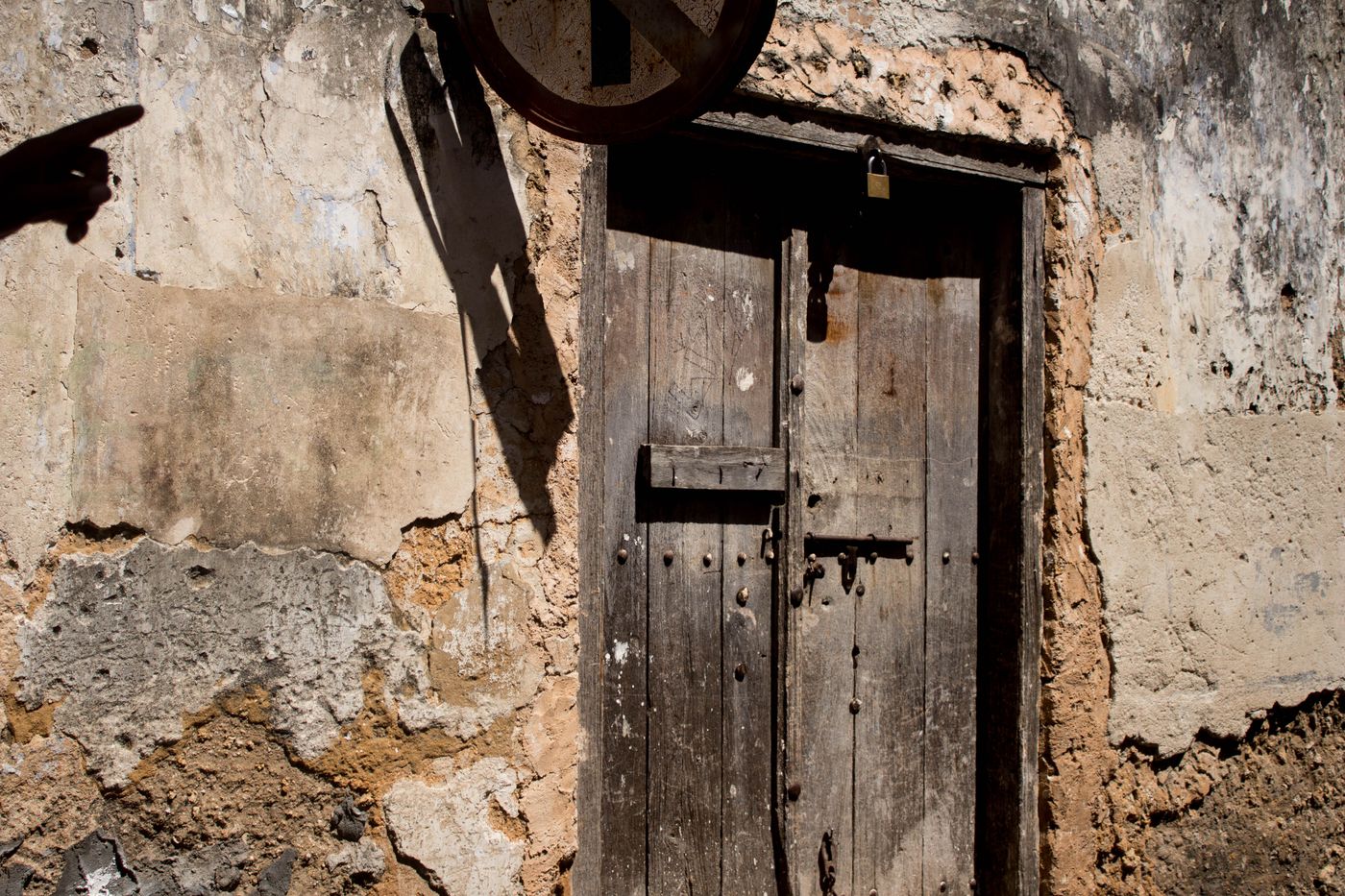
Zanzibar is two things at once: Stone Town, the UNESCO-listed former trade hub with its carved wooden doors, narrow alleys and Swahili-Arab-Portuguese architecture; and the islands' north and east coasts, with white-sand beaches and warm, clear Indian Ocean water.

As a standalone trip, three to four nights is the minimum to feel the rhythm of both. As a beach extension after a safari, it's the most natural finish — fly in directly from the Serengeti or Arusha and decompress.

Nyerere National Park and the Southern Circuit
06

Nyerere National Park and the Southern Circuit

Formerly the Selous Game Reserve, Nyerere is one of Africa's largest protected areas and one of its least visited by international tourists. Walking safaris and boat safaris on the Rufiji River offer a fundamentally different experience from the vehicle-based northern parks.

Access is by light aircraft from Dar es Salaam or Zanzibar, which keeps it off the radar for most visitors — and makes it worth the trip for those who want space and solitude alongside their wildlife.

When to visit Tanzania

Tanzania's timing decisions are more nuanced than most destinations — what you want to see determines when you should go.

January to February
Calving season in the southern Serengeti and Ndutu: thousands of wildebeest born daily, intense predator action. Ideal for wildlife photography. Good for Kilimanjaro too.
June to October
Dry season. Sparse vegetation means easier game viewing across all northern parks. July–September is peak Migration river-crossing period. Best weather for Kilimanjaro. Busiest and most expensive.
November to December
Short rains fall in November — lighter than the long rains and generally brief. Shoulder season pricing, greener landscapes, fewer crowds. December is fine for beaches and bush alike.
March to May
Long rains, heaviest in April. Some camps close, tracks become difficult. Best rates of the year, almost no crowds. Not recommended if this is your first Tanzania trip.
Before you travel to Tanzania

Before you travel to Tanzania

Visa
UK citizens: USD 50 single-entry tourist visa, 90 days. US citizens: USD 100 multi-entry visa (reciprocity rule), 12 months.
Passport
Valid for at least 6 months beyond your departure date from Tanzania. At least 2 blank pages required.
Language
Swahili is the national language. English is widely spoken in tourist areas, hotels and parks.
Money
Tanzanian Shilling (TZS). USD widely accepted for tourist services and park fees. USD notes must be printed 2009 or later.
Time zone
East Africa Time (EAT), UTC+3. Tanzania is 3 hours ahead of the UK (GMT) and 8–11 hours ahead of the US (depending on state).
Plugs
Type G sockets, 230V/50Hz — same as the UK. US travellers need a voltage converter and plug adaptor.
Health
Malaria is endemic — consult a doctor 4–6 weeks before travel about anti-malarials.
Getting there
No year-round direct flights from the UK or US. Most travellers connect via Doha (Qatar Airways) or Istanbul (Turkish Airways).

Frequently asked questions about travelling to Tanzania

How many days do you need for a Tanzania safari?
Seven to ten days on the ground is a solid minimum for a northern circuit covering Tarangire, Ngorongoro and the Serengeti. Add three to four nights in Zanzibar for a beach finish, or a week if you're climbing Kilimanjaro. Fewer than five days in the parks tends to feel rushed — you spend proportionally more time travelling between them.
What is the best time to see the Great Migration?
The river crossings at the Mara River happen from mid-July to September, in the northern Serengeti. The calving season — a different spectacle, with intense predator action — is January to February in the southern Serengeti and Ndutu. Both are worth building a trip around; the river crossings are simply more famous.
Can I combine a safari with Zanzibar?
Yes, and it's one of the most natural combinations in Tanzania. Fly from Arusha or the Serengeti directly to Zanzibar — the flight takes under an hour. The best overlap months for both good game viewing and good beach weather are June to October and December to February.
Do I need a visa, and can I get it on arrival?
UK and US citizens both need a visa. UK travellers pay USD 50 for a single-entry tourist visa; US travellers pay USD 100 for a multi-entry visa. You can apply online before you travel at visa.immigration.go.tz (strongly recommended to avoid queues) or on arrival at Kilimanjaro and Dar es Salaam airports.
Is Tanzania safe for tourists?
The standard tourist areas — national parks, Zanzibar, Arusha — are visited by hundreds of thousands of UK and US travellers each year without incident. The US State Department raised its advisory to Level 3 in October 2025, citing crime, a terrorism risk in the Mtwara region (not on standard tourist routes), and specific risks for LGBTQ+ travellers. The UK FCDO continues to permit travel to tourist areas. Check both advisories before you travel.
Is Tanzania safe for LGBTQ+ travellers?
Homosexual acts are illegal in Tanzania, including in Zanzibar, and carry severe penalties. The US State Department advisory specifically warns that LGBTQ+ travellers have faced arrest, harassment and targeting. If this applies to you, it's important to read the current UK FCDO and US State Department advisories in full before booking.
How do you get around between parks in Tanzania?
The two main options are overland (4x4 safari vehicle) and domestic flights between airstrips. Flying saves significant time — Arusha to the Serengeti by road is a multi-hour drive; by light aircraft it's under an hour. Several small airlines serve the parks and coast. For a longer trip, a mix of both often makes sense.
What vaccinations do I need for Tanzania?
A yellow fever certificate is not required if you're travelling from the UK or US, but malaria prevention is essential — consult a travel health clinic at least four to six weeks before departure about anti-malarial medication, repellent and sleeping under nets. Standard UK/US travel vaccines (hepatitis A, typhoid) are also recommended.

Ready to plan your Tanzania trip?

Drop us a message on WhatsApp and tell us when you're thinking of going, who's travelling and what draws you to Tanzania.

Step 1 of 4
When and for how long?
Length
Turaco Trails Foundation

Specialist journeys across Uganda, Kenya, Tanzania and Rwanda. Tailored to you, grounded in Africa.

Explore
Home
© 2026 Turaco Trails Foundation. All rights reserved.Website made with siteway
Made withsiteway.travel