Country

Trips to Kenya

Where elephants walk against the shadow of Kilimanjaro

A wilderness you can smell before you see it: dry grass, red dust, lions at dawn.

Your Kenya trip, built around you
Tailor-made

Your Kenya trip, built around you

Tell us what matters — the Migration, a beach finish, a mountain walk — and we'll shape a Kenya trip that fits the way you want to travel, from a quick safari break to a multi-week journey across the country.

Request a tailor-made proposal
Six in the morning, the grass still cold
Kenya

Six in the morning, the grass still cold

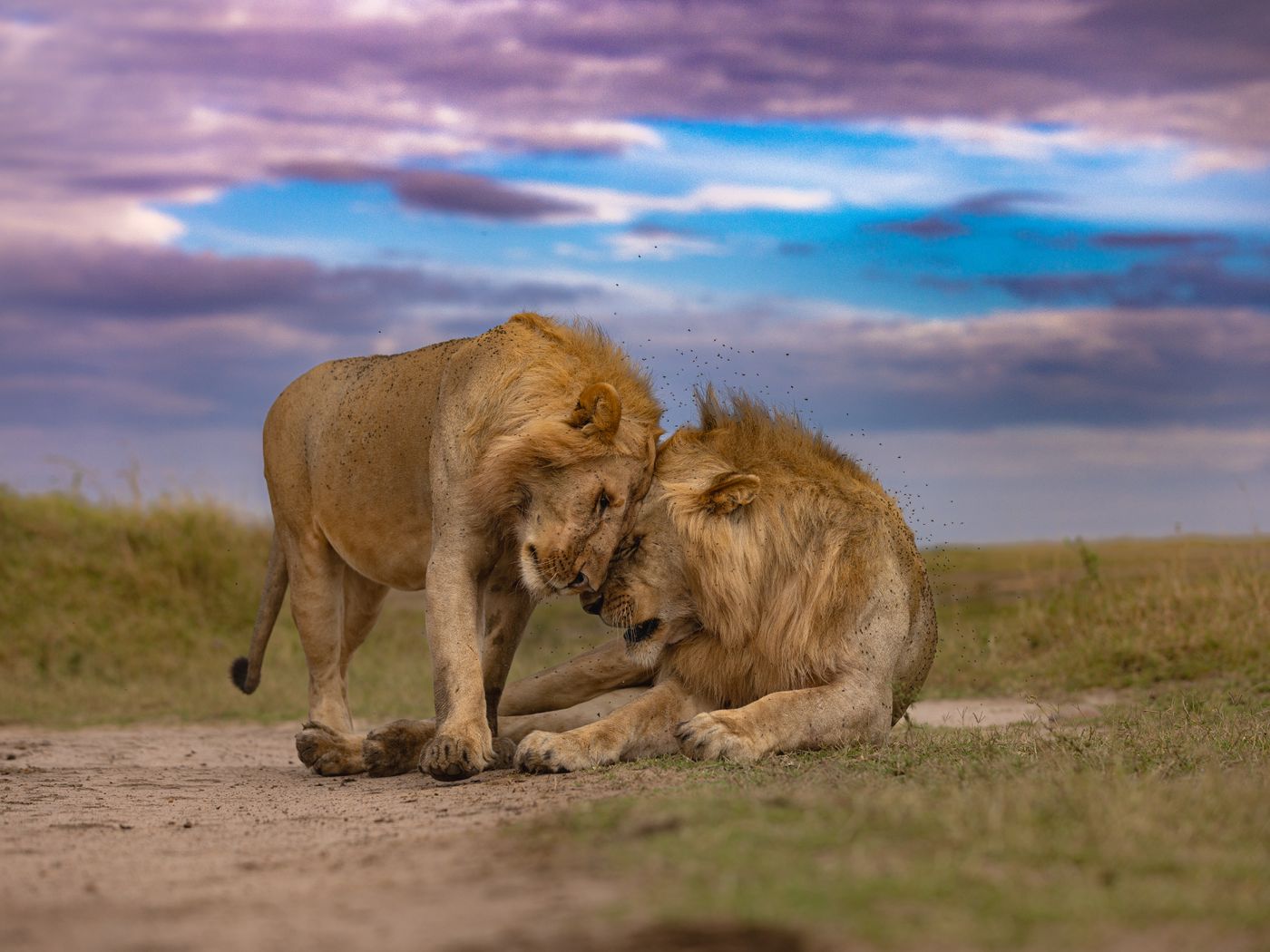
The first game drive of the day starts before the sun clears the horizon. In the Masai Mara, you sit still in the vehicle, engine off, watching a pride of lions work their way through the damp grass. No commentary needed — just the sound of their breathing and the light turning gold.

An elephant, a mountain, a moment that doesn't move

An elephant, a mountain, a moment that doesn't move

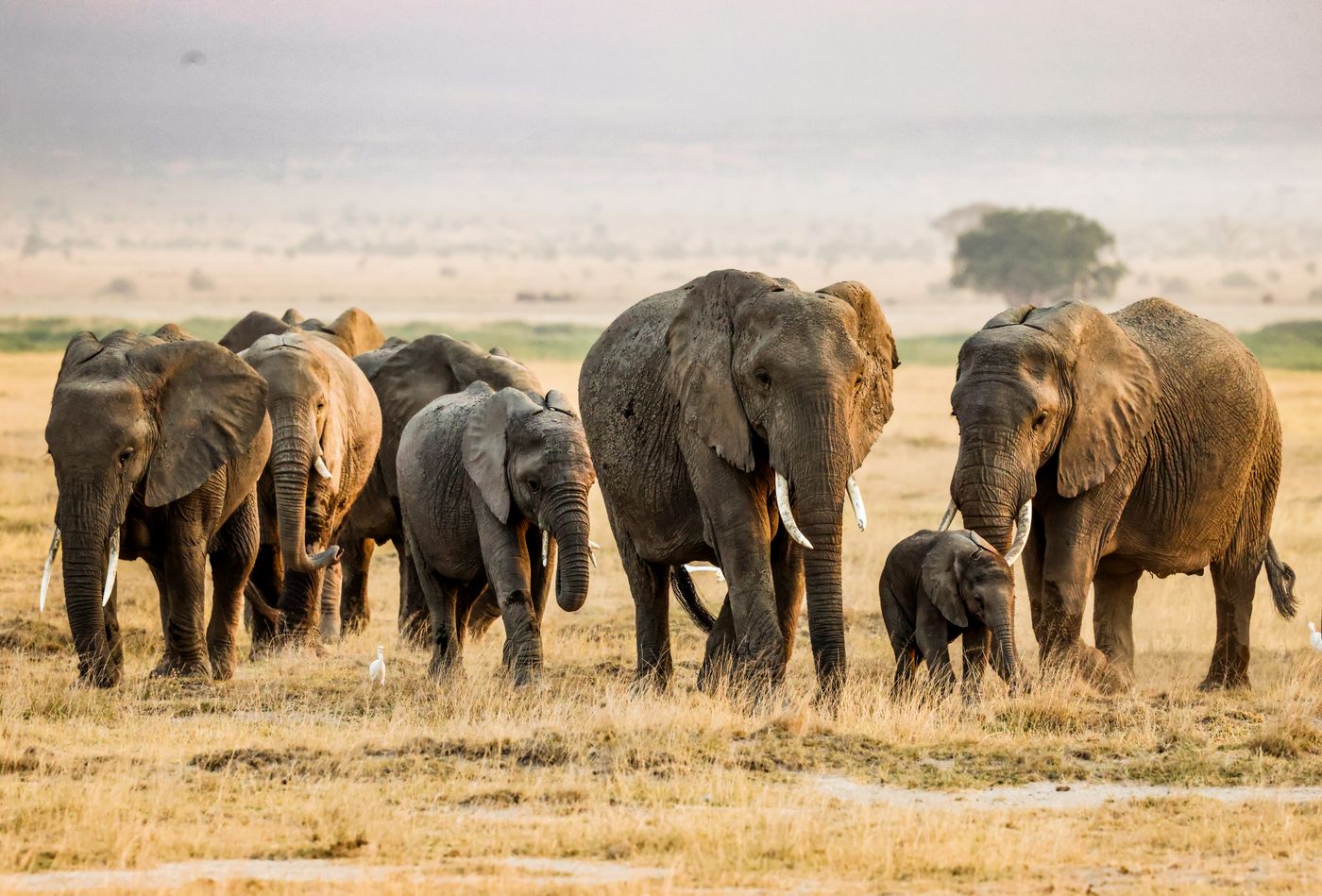
In Amboseli, the light at dusk lines up a family of elephants against the full face of Kilimanjaro. The peak is in Tanzania, the elephants are in Kenya, and the photograph you take will look like it was staged — it wasn't.

Lamu runs on tide, not time

Lamu runs on tide, not time

No cars, no traffic lights: Lamu's Old Town moves on foot and by dhow. The narrow coral-stone alleys smell of woodsmoke and cardamom. You arrive by small plane or boat and almost immediately forget which day it is — that's the point.

How Turaco Trails plans your Kenya

We're a specialist East Africa agency — Kenya isn't a product on a shelf for us, it's the terrain we work in every day.

  1. 01

    East Africa focus

    Kenya sits alongside Uganda, Tanzania and Rwanda in our core portfolio. That means we know how the regions connect and can help you combine them realistically, not just on paper.

  2. 02

    Every format, one conversation

    Group trips, custom-built itineraries, family safaris, honeymoons, luxury lodges — we handle the full range and help you work out which format suits your trip before you commit to anything.

  3. 03

    Receptive in destination

    We offer ground services in East Africa, so the people handling your logistics on the ground are part of the same team that helped you plan it from home.

We plan your trip to Kenya

We help you choose how, when and for how long.

Request my proposal
Guide

What to see in Kenya

Kenya stretches from the Indian Ocean coast to the highland moorlands and the flat savanna of the Rift Valley. Each region has its own character — pick one or connect several.

Masai Mara
01

Masai Mara

The Mara is Kenya's flagship reserve: 1,500 km² of open savanna in the southwest where lions, leopards, cheetahs, elephants, buffalo, and rhinos share the same grassland. It is the northern end of the Serengeti ecosystem, which means it receives the Great Migration — more than a million wildebeest and zebras crossing the Mara River between roughly mid-July and late October.

For first-time safari visitors, this is the obvious starting point. Accommodation ranges from tented camps inside the reserve to larger lodges on its boundary. The busiest weeks are August and September; if you want the Migration with smaller crowds, June or October can be the smarter months.

Amboseli National Park
02

Amboseli National Park

In the shadow of Kilimanjaro, Amboseli holds some of Kenya's largest and most studied elephant herds. The elephants here are accustomed to vehicles, which means you can spend long, unhurried stretches watching family groups feed, socialise, and move — with the snow-capped peak forming the background.

Amboseli pairs well with the Mara on a two-park trip, and it sits close to the Tanzanian border — a natural gateway if you're combining Kenya with a Tanzania extension.

Lamu Archipelago
03

Lamu Archipelago

Lamu Island, a UNESCO World Heritage Site on the northern coast, is what the rest of the Swahili coast looked like before the twentieth century. No cars, no tuk-tuks — donkeys and wooden dhows are the main transport. The Old Town's coral-stone houses, carved doors, and open courtyards have barely changed in centuries, and Shela Beach stretches for kilometres without a sun-lounger in sight.

Reaching Lamu requires a short domestic flight from Nairobi or Mombasa, which keeps it quieter than the southern coast — an advantage if you want to slow down at the end of a safari.

Diani Beach & the south coast
04

Diani Beach & the south coast

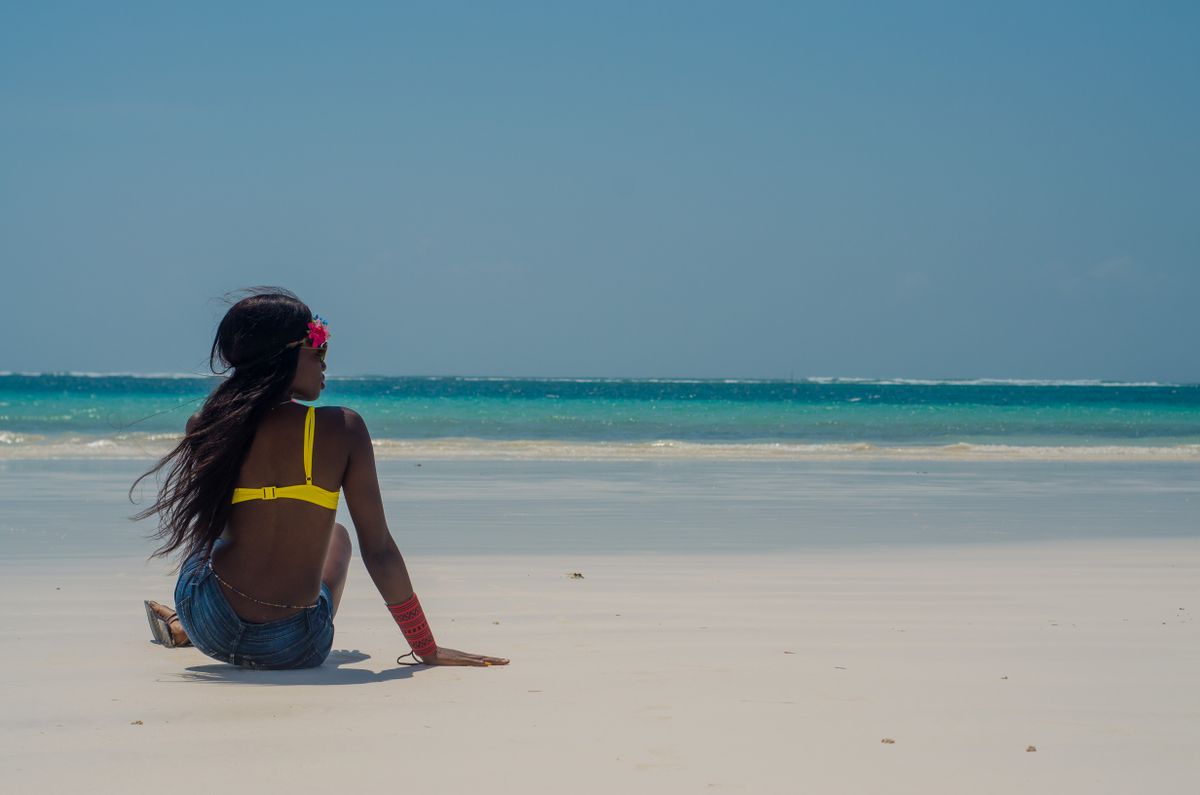
About 30 km south of Mombasa, Diani is the most developed beach destination on Kenya's coast: white-coral sand, warm Indian Ocean water, coral reefs for snorkelling and diving, and enough restaurants and beach bars to fill a week comfortably. Water clarity is at its best in January and February.

Diani works well as a final leg after an inland safari — the flight from Nairobi to Mombasa takes under an hour, and the pace shift from game drives to beach days is one of the classic Kenya combinations.

Lake Nakuru & the Rift Valley
05

Lake Nakuru & the Rift Valley

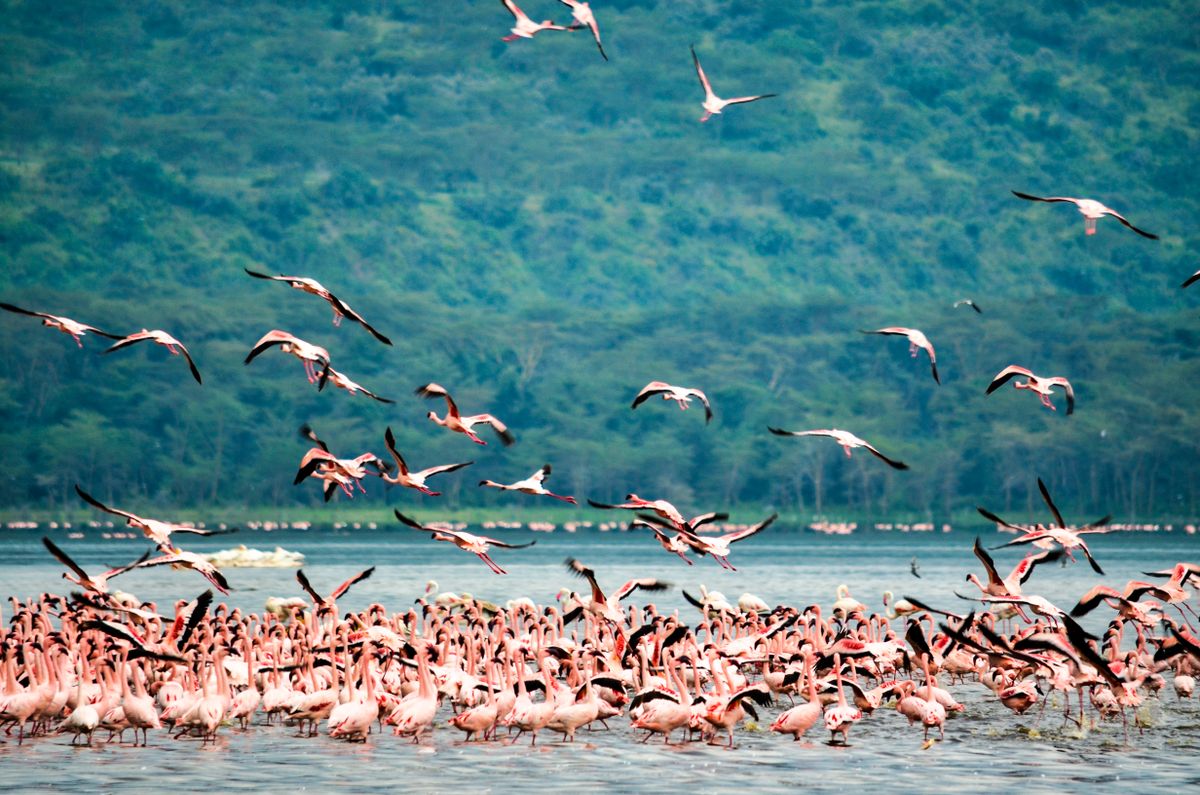
Lake Nakuru sits in the floor of the Great Rift Valley, a couple of hours' drive north of Nairobi. The Rift Valley viewpoint on the road from Nairobi is one of the most arresting drive-by views in East Africa.

Nakuru fits easily into a circuit that connects Nairobi, the Mara, and Mount Kenya — it adds geological drama and a different kind of wildlife to a multi-stop trip.

Tsavo & Mount Kenya
06

Tsavo & Mount Kenya

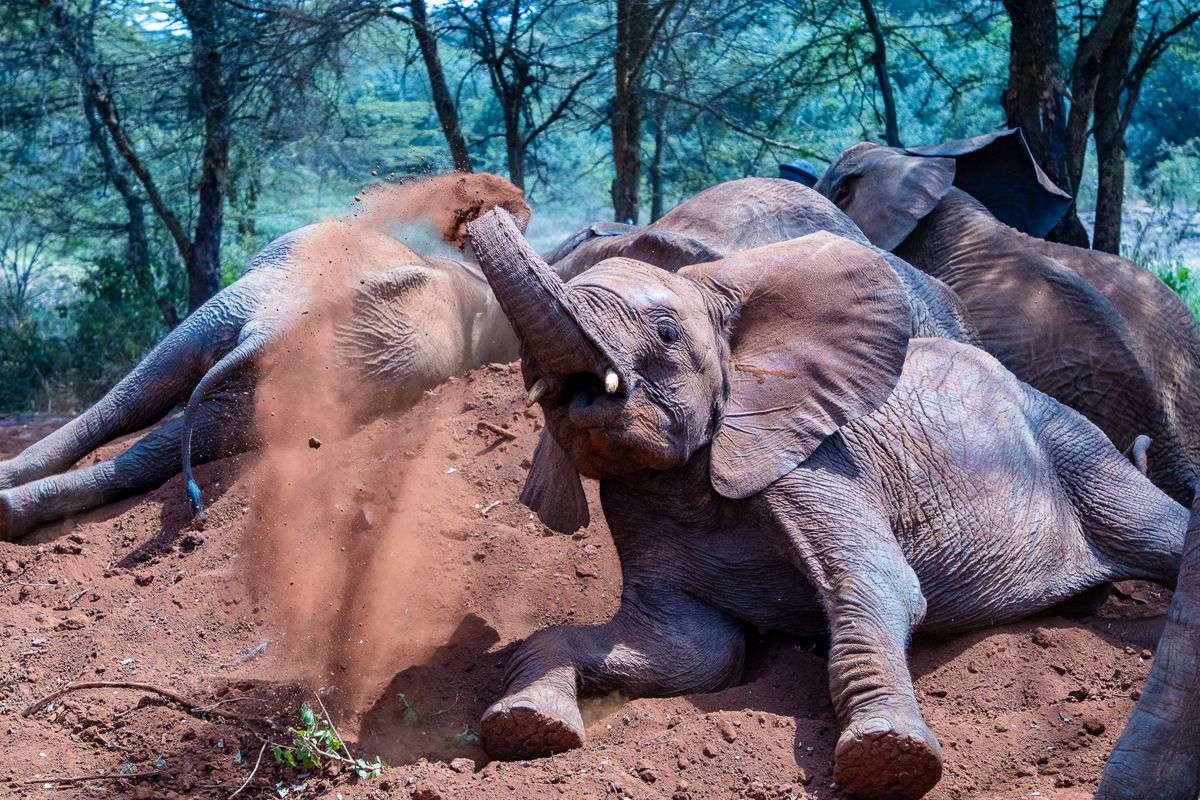
Tsavo East and West together form one of the largest protected wildlife areas in Africa: vast, semi-arid, and much less visited than the Mara or Amboseli. The 'red elephants' — whose skin is stained by the iron-rich volcanic dust — are found nowhere else. If you want open space and solitude, Tsavo delivers both.

Mount Kenya (5,199 m), Africa's second-highest peak, draws trekkers rather than safari-goers. Routes range from multi-day technical climbs to accessible walks through the moorland zone. The mountain sits on the equator, which gives it an otherworldly mix of tropical forest, bamboo, and glacial terrain on the higher slopes.

When to travel to Kenya

Safari and coast have different rhythms — knowing both helps you plan a trip that works across the country.

June to October
The main dry season and peak safari period. Dry grass makes wildlife easy to spot, and the Mara River crossings happen between mid-July and late October. Busiest and priciest in August.
January to February
A shorter dry window: warm, low rainfall, good for safari and the best months for water clarity on the coast. Less crowded than the June–October peak and often better value.
October to December
Short rains fall mainly in the afternoons and evenings — game viewing continues and the landscape turns green. Also the start of the best season for Diani and the southern coast.
March to May
The long rains. April is the wettest month: some bush roads become impassable and a handful of camps close. Generally the hardest time for safari — best avoided unless the price is the priority.
Before you travel to Kenya

Before you travel to Kenya

Entry & eTA
UK and US citizens need a Kenya eTA (not a visa) applied online before travel at etakenya.go.ke. Passport valid 6+ months required.
Language
Swahili and English are both official. English is spoken widely in tourism, hotels and cities.
Money
Kenyan Shilling (KES). USD accepted in tourist areas; cards work in most lodges and larger hotels.
Time zone
EAT (UTC+3): 3 hours ahead of the UK, 8 hours ahead of US Eastern Time. No daylight saving.
Plugs & power
Type G (UK-style), 240V. US visitors need an adapter. Safari camp generators often run limited hours — bring a power bank.
Health & vaccines
Malaria prophylaxis recommended outside central Nairobi. Yellow fever certificate required if arriving from a risk country.
Getting there
Nairobi (NBO) is the main hub. Direct from London Heathrow (~9 hrs); from New York JFK non-stop (~13.5 hrs).
No plastic bags
Kenya bans plastic bags — penalties are real. Bring cloth bags or dry bags from home.

Questions about travelling to Kenya

Do I need a visa to enter Kenya?
Traditional visas no longer exist for Kenya. Since January 2024, both UK and US citizens must apply for an Electronic Travel Authorisation (eTA) online before departure. Processing takes up to 3 business days, so apply at least two weeks ahead. Your passport must be valid for at least 6 months.
Is there a direct flight from the US to Kenya?
Yes — Kenya Airways flies non-stop from New York JFK to Nairobi in around 13.5 hours. If you're flying from elsewhere in the US, the most common one-stop connections go via Doha (Qatar Airways), Dubai (Emirates), Amsterdam (KLM), or Addis Ababa (Ethiopian Airlines).
Which airport should I fly into for a Masai Mara safari?
Fly into Nairobi's Jomo Kenyatta International Airport (NBO), then take a short domestic flight to one of the Mara's airstrips — the journey takes under an hour. Driving from Nairobi takes around 5–6 hours and is an option if you want to see the Rift Valley on the way.
When does the Great Migration cross the Mara River?
The Mara River crossings — the most dramatic moment of the Migration — are most likely between mid-July and late October, peaking in August and September. The exact timing shifts year to year depending on rainfall, so no visit can be guaranteed a crossing, but a stay of several days in the right window gives you a strong chance.
How many days do I need in Kenya?
Ten to fourteen days gives you time to combine two or three wildlife areas (say, the Mara, Amboseli, and Nakuru) plus a few days on the coast without feeling rushed. A focused short trip of 7–8 days works if you concentrate on one or two reserves and skip the beach leg.
Is Kenya safe for tourists?
The US State Department rates Kenya at Level 2 (Exercise Increased Caution) due to crime and terrorism risks. The UK FCDO advises against travel to eastern areas near the Somali border. Most tourist areas — national parks, Nairobi's main districts, and the coast — are visited safely each year with standard precautions. Avoid travelling after dark and stay updated on official advice before departure.
Do I need malaria tablets for Kenya?
Yes, for most of Kenya. The CDC recommends anti-malarial medication for all areas except the highly urbanised centre of Nairobi. Options include atovaquone-proguanil, doxycycline, or mefloquine — your GP or travel clinic will advise which suits you best.
Can I combine a safari with a beach holiday in Kenya?
Absolutely — it's one of the most popular formats. A typical approach: fly into Nairobi, spend most of your time in the wildlife parks, then take a short domestic flight to Mombasa and head down to Diani or across to Lamu for a few days. The two halves sit within the same country and the logistics are straightforward.

Ready to plan your Kenya trip?

Send us a message on WhatsApp — tell us roughly when you're thinking, who's travelling, and what matters most to you.

Step 1 of 4
When and for how long?
Length
Turaco Trails Foundation

Specialist journeys across Uganda, Kenya, Tanzania and Rwanda. Tailored to you, grounded in Africa.

Explore
Home
© 2026 Turaco Trails Foundation. All rights reserved.Website made with siteway
Made withsiteway.travel